✓ Tested in Faten's kitchen
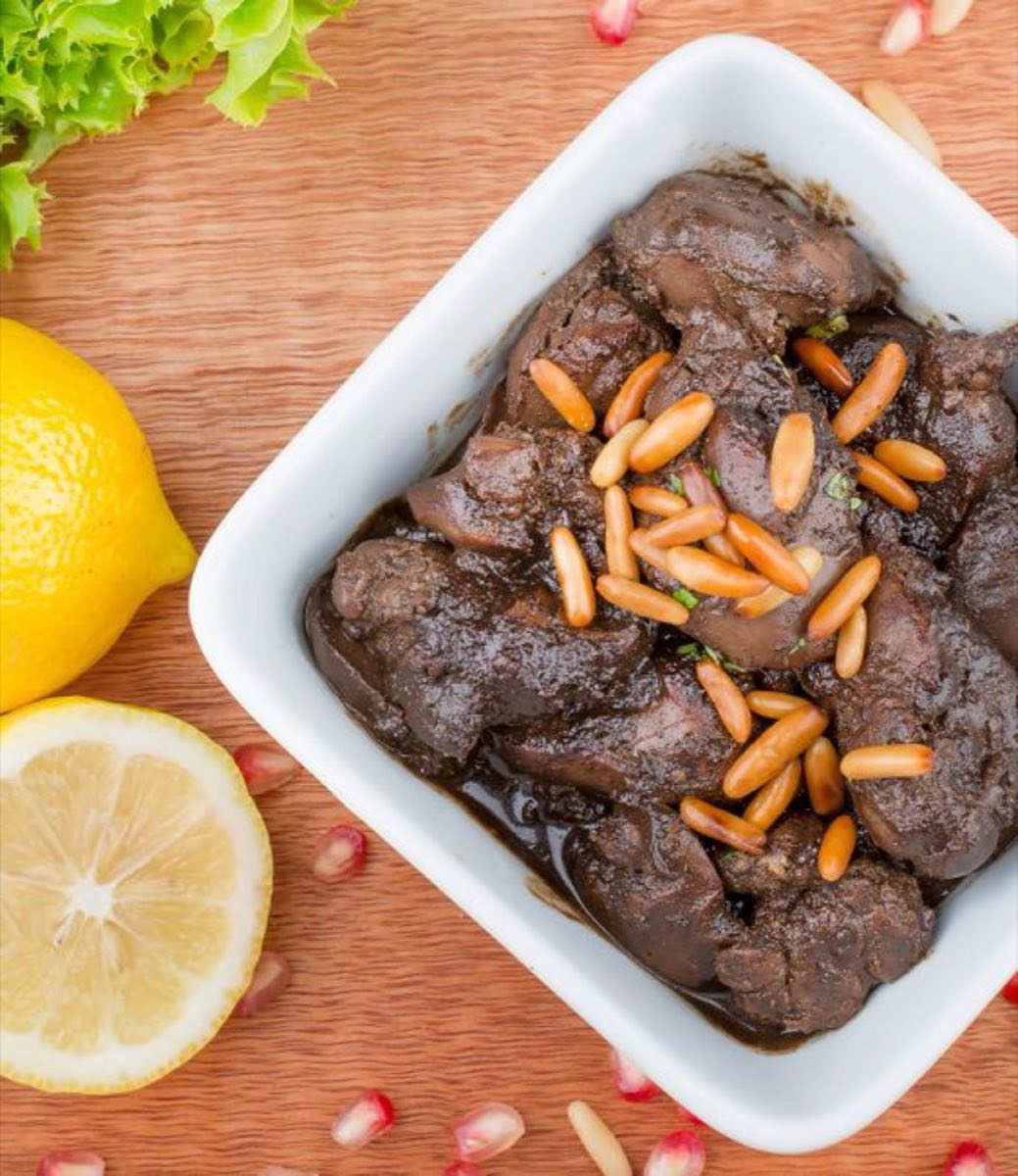
Chicken livers flash-cooked with garlic, a generous pour of pomegranate molasses, and a handful of fresh coriander until the exterior caramelizes and the interior stays just pink — a bold, earthy Lebanese mountain appetizer-meal that pulls no punches.
⏱ 35 min🍽 3 servings📍 Mount Lebanon
Cook this hands-free
Every Sofra recipe is free to read here on the web. In the app, 112 recipes are free to cook in full, and membership opens the rest. The optional supporter upgrade unlocks the audio experience — step-by-step English narration (text-to-speech) — plus hands-free Cooking Mode and Charbel Rouhana's original oud music.
Get Sofra on Google Play →
Free download. Zero third-party ads. Ever.
The story
Sawda djaj (chicken livers) is a dish that divides the table in the best possible way — those who love it are completely devoted. In the Lebanese mountains, offal cooking reflects an economy of respect for the whole animal, and livers cooked in pomegranate molasses were a favored winter dish in the mountain villages of Keserwan and Metn. Lebanese-Brazilian families in São Paulo were early adopters of this dish because fígado (liver) is already part of Brazilian culinary culture — the pomegranate-molasses technique was immediately adopted and sometimes combined with a splash of cachaça.
Frequently asked questions
What is Sawda Djaj?
Chicken livers flash-cooked with garlic, a generous pour of pomegranate molasses, and a handful of fresh coriander until the exterior caramelizes and the interior stays just pink — a bold, earthy Lebanese mountain appetizer-meal that pulls no punches.
Where is Sawda Djaj from?
Sawda Djaj comes from Mount Lebanon. Sofra documents this recipe as part of its 214-recipe Lebanese and Syrian heritage collection, including 49 dishes from Idlib province.
Is Sawda Djaj vegetarian?
No — as written, Sawda Djaj includes meat, fish, or meat-based stock, so it is not vegetarian. See the ingredient list for the specific ingredients used.
What can I use instead of chili flakes in Sawda Djaj?
The chili flakes called for here is part of the traditional recipe and gives Sawda Djaj its traditional character, so keep it if you can. If you must substitute, choose the closest equivalent you have on hand and adjust to taste — the dish will shift slightly from the traditional version but still work. The Sofra app lists the full ingredient set and sourcing notes.
What do I serve with Sawda Djaj?
In a Levantine mains spread, Sawda Djaj is typically served with rice or warm flatbread, a simple salad such as fattoush or tabbouleh, and pickles or yogurt on the side.
Can I make Sawda Djaj ahead, and how do I store leftovers?
Yes — leftovers keep well stored in an airtight container in the refrigerator for a few days. Reheat gently (or bring to room temperature for cold dishes) and taste to adjust seasoning before serving. Dishes with fresh herbs or dressing are freshest the day they are made.
Hear every step read aloud
Step-by-step audio narration (text-to-speech) guides you hands-free. Charbel Rouhana's original oud plays during Cooking Mode.
Get Sofra on Google Play →