✓ Tested in Faten's kitchen
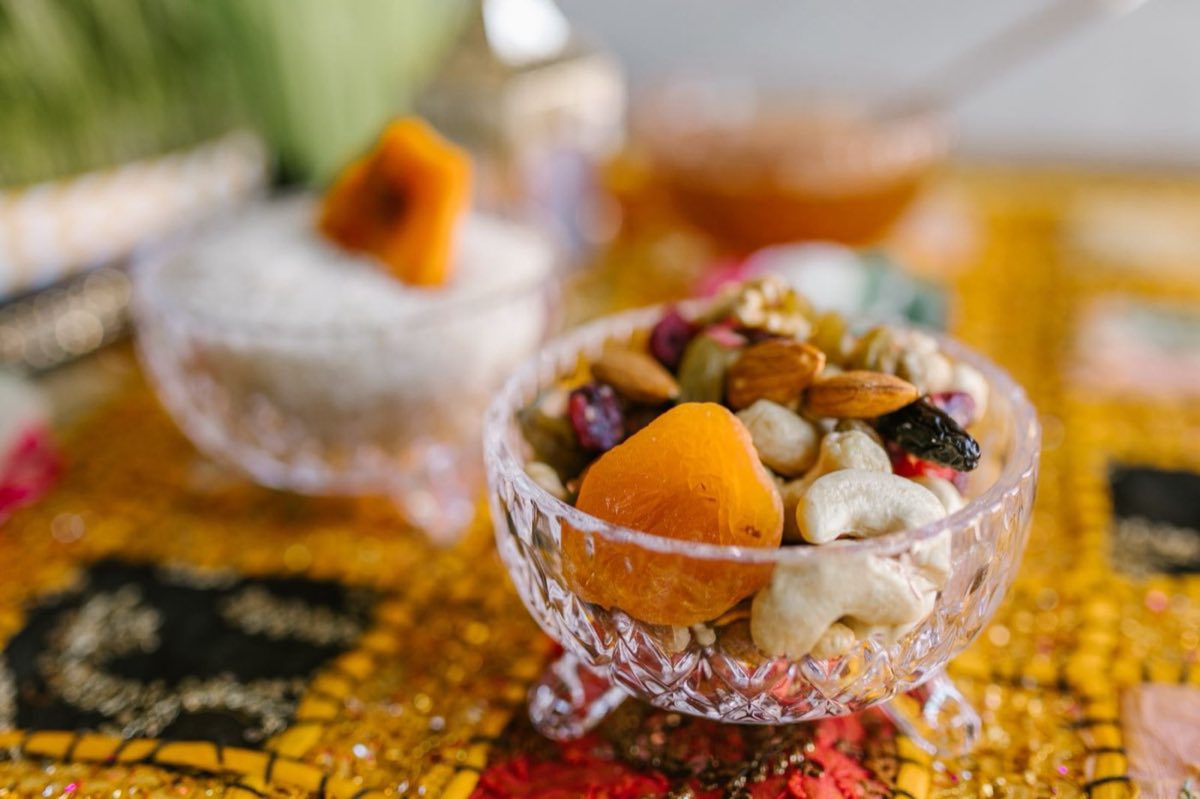
A fragrant wheat berry pudding studded with chickpeas, dried apricots, and toasted nuts — perfumed with anise, rose water, and orange blossom — spooned into small cups and carried by hand to every neighbor, relative, and passerby on the day a baby cuts their very first tooth.
⏱ 105 min🍽 10 servings📍 Mount Lebanon
Cook this hands-free
Every Sofra recipe is free to read here on the web. In the app, 112 recipes are free to cook in full, and membership opens the rest. The optional supporter upgrade unlocks the audio experience and Charbel Rouhana's original oud music in Cooking Mode.
Get Sofra on Google Play →
Free download. Zero third-party ads. Ever.
The story
In Lebanon, the arrival of a baby's first tooth is not a quiet moment — it is an occasion for the whole neighborhood to gather. The moment a mother spots that first white edge pressing through the gum, she begins cooking Snaynieh, a sweet wheat pudding that carries the ancient symbolism of abundance and new life: wheat for nourishment, chickpeas for strength, dried fruit for sweetness, and nuts for prosperity. Trays of small cups are walked to every door on the street — the more doors you knock on, the more blessings return to the child. The tradition traces its roots deep into Levantine folk belief, where the first tooth is understood as the beginning of the child's capacity to eat, to speak, to grow into the world. Some families recite a small prayer as they serve each portion; others simply smile and say "inshallah tkammel bi ssaha" — may she complete her life in health. In a culture where food is how love travels between people, Snaynieh is perhaps its most tender expression: the day your child becomes a little less newborn, you feed the whole village.
Frequently asked questions
What is Snaynieh?
A fragrant wheat berry pudding studded with chickpeas, dried apricots, and toasted nuts — perfumed with anise, rose water, and orange blossom — spooned into small cups and carried by hand to every neighbor, relative, and passerby on the day a baby cuts their very first tooth.
Where is Snaynieh from?
Snaynieh comes from Mount Lebanon. Sofra documents this recipe as part of its 214-recipe Lebanese and Syrian heritage collection, including 49 dishes from Idlib province.
Is Snaynieh vegetarian or vegan?
As written, Snaynieh uses only plant-based ingredients, so it is suitable for both vegetarian and vegan diets. Always double-check the full ingredient list against your own dietary needs.
What can I use instead of anise seeds (yansoon) in Snaynieh?
The anise seeds (yansoon) called for here is part of the traditional recipe and gives Snaynieh its traditional character, so keep it if you can. If you must substitute, choose the closest equivalent you have on hand and adjust to taste — the dish will shift slightly from the traditional version but still work. The Sofra app lists the full ingredient set and sourcing notes.
What do I serve with Snaynieh?
In a Levantine desserts spread, Snaynieh is served at the end of a meal or with afternoon coffee or tea. A little extra syrup or nuts on top is traditional where the recipe calls for them.
Can I make Snaynieh ahead, and how do I store leftovers?
Most components can be prepared ahead. Store leftovers covered in the refrigerator and bring to room temperature before serving for the best texture; syrups and nut toppings are best added or refreshed close to serving.
Cook this hands-free
Hands-free Cooking Mode walks you through each step. Charbel Rouhana's original oud plays during Cooking Mode.
Get Sofra on Google Play →