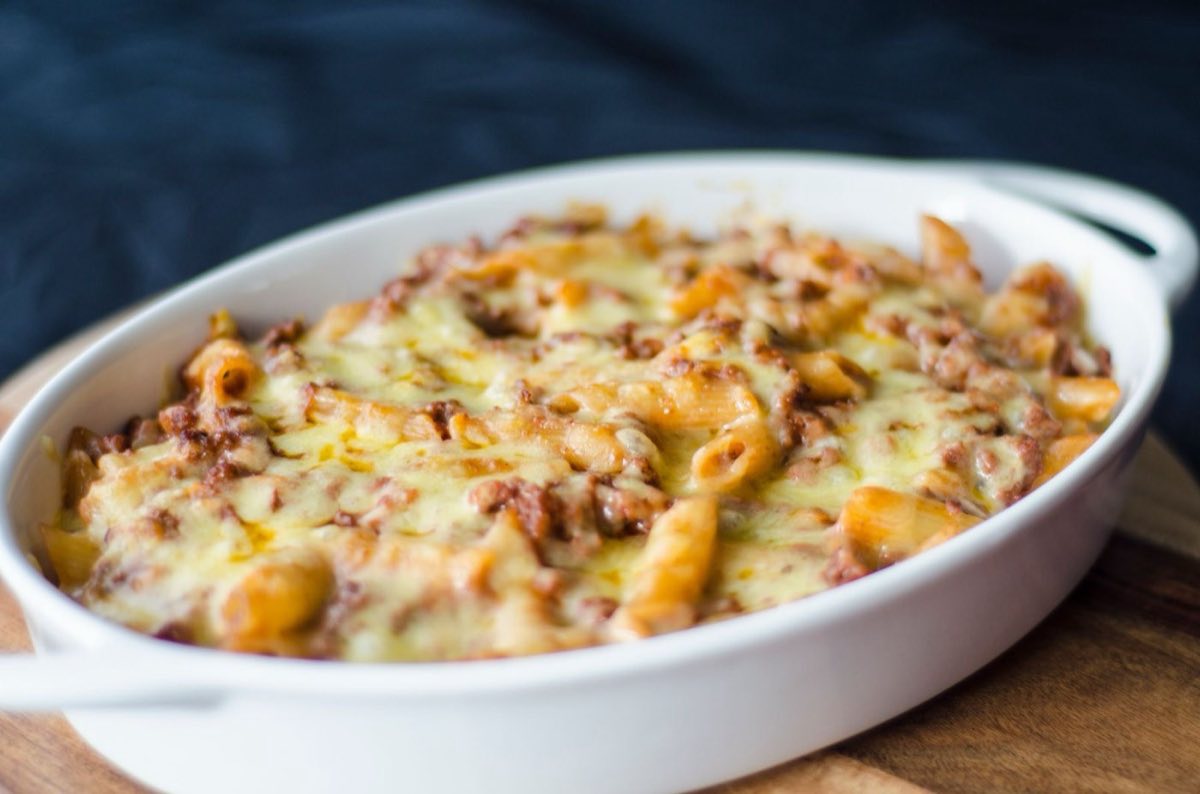
The yellow cheese of the Levantine sandwich. Semi-hard, mild, and built to melt — it goes onto manakeesh, into a school sandwich, and into a pan on its own as a mezze dish where it is fried until the outside sets and the middle gives way.
Also known as kashkawan · qashqawan · kashar · kasseri · caşcaval
- Arabicجبنة قشقوانjibneh qashqawan
- Arabic nameجبنة قشقوان — jibneh qashqawan
- Also sold asKashar — the Turkish name, common on labels
- What it isSemi-hard yellow cheese, cow's or sheep's milk
- Known forMelting cleanly without splitting
- KeepsWeeks wrapped, refrigerated
The Ingredient Atlas, in your pocket
Every Sofra recipe is free to read here on the web. The app carries an Ingredient Atlas covering Kashkaval and dozens more Levantine ingredients — in English, Arabic and Portuguese, with the name in French and Spanish too — alongside a free collection of 112 recipes to cook from.
Get Sofra — free download →What it tastes and smells like
Mild, faintly nutty and a little sharp at the edges — closer to a young provolone than to cheddar. It is not a cheese anyone eats for complexity; it is a cheese chosen because it melts evenly and does not turn oily or stringy when it does.
Fried in slices until a crust forms is a mezze dish in its own right. It holds its shape long enough to reach the plate, which is the whole trick.
What it is used in
- Makaroneh bil Forn — Lebanese Baked PastaBekaa Valley · Levantine
- Man'ousheh bil JibnehMount Lebanon · Levantine
- Cheese FatayerMount Lebanon · Levantine
How to buy and store it
Middle Eastern, Turkish, Greek and Eastern European grocers all carry it, often under different spellings on the same shelf — kashkaval, kashkawan, kashar, caşcaval. They are the same family of cheese and any of them will do the job.
Buy it in a block rather than pre-sliced; the pre-sliced version dries at the edges and melts less evenly. It keeps for weeks wrapped tightly in the refrigerator, and it is one of the few cheeses here that freezes acceptably if it is going to be melted anyway.
If you cannot find it
- Provolone goodVery close in texture and melt, with a slightly different flavour. The best supermarket answer.
- Kasseri goodThe Greek cheese of the same family — often literally the same product under another name.
- Low-moisture mozzarella acceptableMilder and stretchier. Melts well but loses the faint sharpness.
Frequently asked questions
What is kashkaval cheese?
Kashkaval is a semi-hard yellow cheese eaten across the Levant, the Balkans and Eastern Europe. It is mild and slightly nutty, and it is used above all for melting — on manakeesh, in sandwiches, and fried as a mezze dish.
Is kashkaval the same as kashar?
Effectively yes. Kashar is the Turkish name for the same cheese, and Greek kasseri and Balkan caşcaval belong to the same family. Shops in the same city may label it any of these ways.
What can I use instead of kashkaval?
Provolone is the closest thing in an ordinary supermarket — a very similar texture and melt. Greek kasseri is often the identical product under another name.
What is kashkaval used for in Lebanese cooking?
Melted onto manakeesh, layered into sandwiches, baked into pasta dishes, and fried in slices as a hot mezze.
Does kashkaval melt well?
Yes — that is the reason it is chosen. It melts evenly without splitting into oil and strings, which is why it appears wherever a dish needs melted cheese rather than a flavourful one.