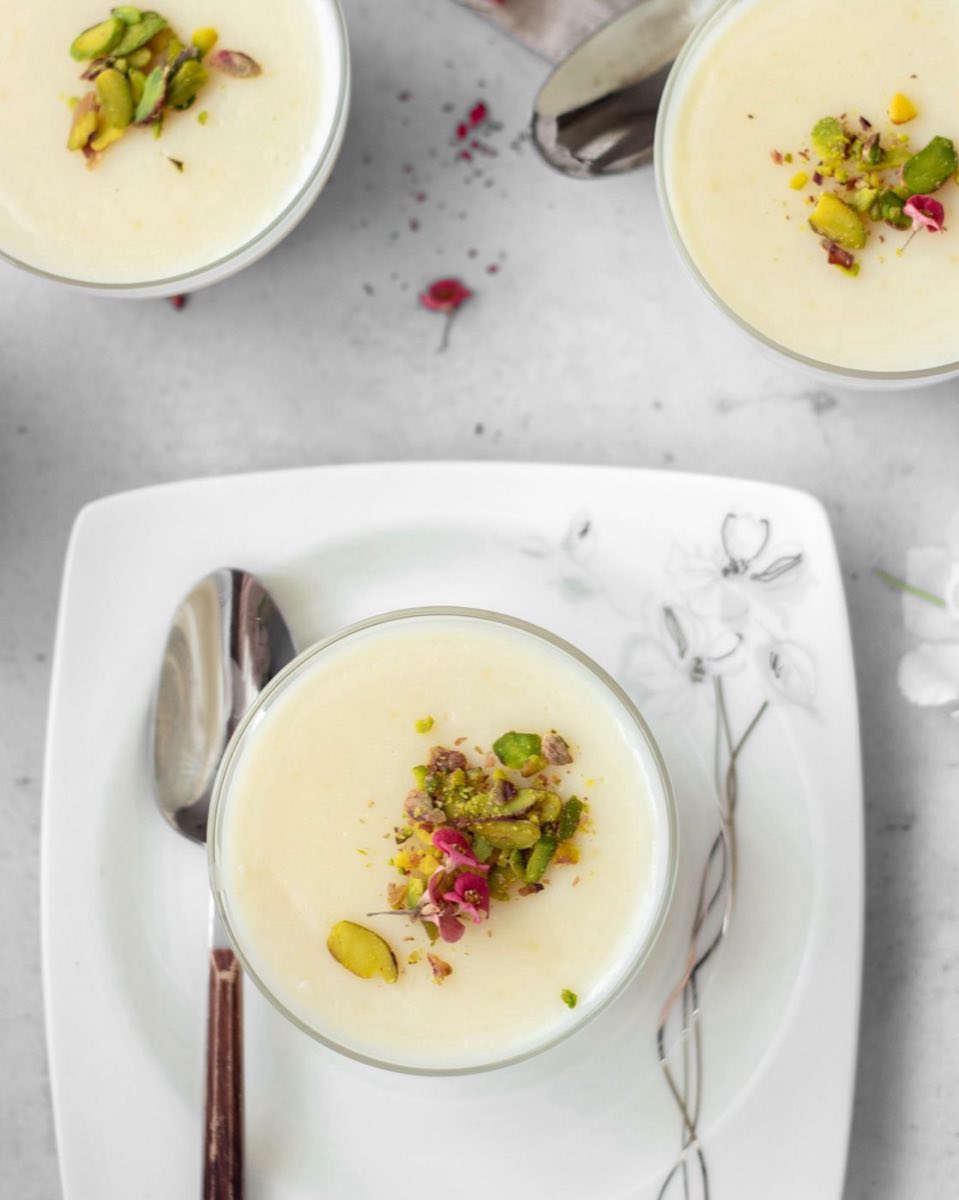
A crystalline resin tapped from the mastic tree and sold as small clear teardrops. Piney, faintly medicinal, deeply aromatic — the flavour that gives Levantine milk puddings and ice cream their particular stretch and scent.
Also known as mistika · miskeh · mastiha · mastic gum
- Arabicمستكةmastika
- What it isHardened resin from the mastic tree, sold as crystals
- Looks likeSmall clear-to-pale teardrops, brittle, faintly waxy
- Used forMilk puddings, ice cream, some sweets and drinks
- KeepsIndefinitely in the freezer; sticks together at room temperature
The Ingredient Atlas, in your pocket
Every Sofra recipe is free to read here on the web. The app carries an Ingredient Atlas covering Mastic and dozens more Levantine ingredients — in English, Arabic and Portuguese, with the name in French and Spanish too — alongside a free collection of 112 recipes to cook from.
Get Sofra — free download →What it tastes and smells like
Resinous and pine-forward, with something faintly medicinal behind it and a cool finish. It is not a flavour with a close relative in a Western pantry — people usually place it somewhere between pine, cedar and juniper.
It is powerful. A few crystals scent a whole pot of milk, and too much turns a dessert bitter. Recipes that call for it in grams mean the grams.
Buy the smallest jar you can find. A very small quantity lasts through many batches.
What it is used in
- Haleeb bil Mastic1/4 tsp (about 3–4 small crystals) mastic crystals (mastika)
- Lebanese Rice Pudding with Mastic1/4 tsp Mastic crystals
- MuhallabiaLebanese coast · Levantine
- Arabic CoffeeMount Lebanon · Levantine
How to buy and store it
Greek, Lebanese, Armenian and wider Middle Eastern grocers stock it, usually in small jars of crystals. Look for clear or pale teardrops rather than a cloudy, fused lump.
Store the crystals in the freezer. At room temperature they soften and stick to each other, which makes them almost impossible to grind. Grind what you need with a pinch of sugar in a mortar — the sugar keeps the resin from gumming up, which it will do immediately in a bare spice grinder.
If you cannot find it
- Omit it, with a little vanilla in its place acceptableIn ice cream or a milk pudding this gives you a good dessert. It gives you a different dessert.
Frequently asked questions
What is mastic?
Mastic is a crystalline resin tapped from the mastic tree and sold as small clear teardrops. It is used as an aromatic in Levantine and Eastern Mediterranean puddings, ice cream and sweets, and is also chewed as a natural gum.
What does mastic taste like?
Piney and resinous with a cool, faintly medicinal finish. Most people place it somewhere between pine, cedar and juniper. It has no close equivalent in a Western pantry.
How do you grind mastic?
With a pinch of sugar, in a mortar and pestle. On its own the resin gums up immediately in a grinder. Keeping the crystals in the freezer until the moment you grind them also helps.
How much mastic should I use?
Very little. A few crystals will scent a whole pot of milk, and too much turns a dessert bitter. If a recipe gives a weight, follow it.
What can I use instead of mastic?
Nothing reproduces it. If you cannot find it, leave it out and add a little vanilla — the result is good, but it is a different dessert.
How do I store mastic?
In a sealed jar in the freezer. At room temperature the crystals soften and fuse into a lump that will not grind.