The dried, ground berry of the sumac shrub — a coarse, damp-looking crimson powder. Where another kitchen reaches for vinegar, this one reaches for sumac.
Also known as summaq · sumak · sumagh · summac
- Arabicسماقsummaq
- What it isDried berries of the sumac shrub, ground
- Looks likeCoarse crimson-to-purple powder, slightly damp, clings
- TastesTart and fruity, mildly astringent, no heat
- KeepsAbout a year in a sealed jar away from light
The Ingredient Atlas, in your pocket
Every Sofra recipe is free to read here on the web. The app carries an Ingredient Atlas covering Sumac and dozens more Levantine ingredients — in English, Arabic and Portuguese, with the name in French and Spanish too — alongside a free collection of 112 recipes to cook from.
Get Sofra — free download →What it tastes and smells like
Sharp, but fruity rather than acidic the way vinegar is — closer to the skin of a tart apple, finishing with a faint tannic grip. No heat and no perfume: sumac sours a dish without adding anything else to it.
Freshness shows in the texture. Good sumac is moist and clings to your fingers. Pale, dry, free-flowing sumac has lost most of its acid and will taste of very little.
Some brands are cut with salt. Check the label before you season by eye.
What it is used in
- Arayes1 tsp sumac
- Djaj Meshwi1 tsp sumac
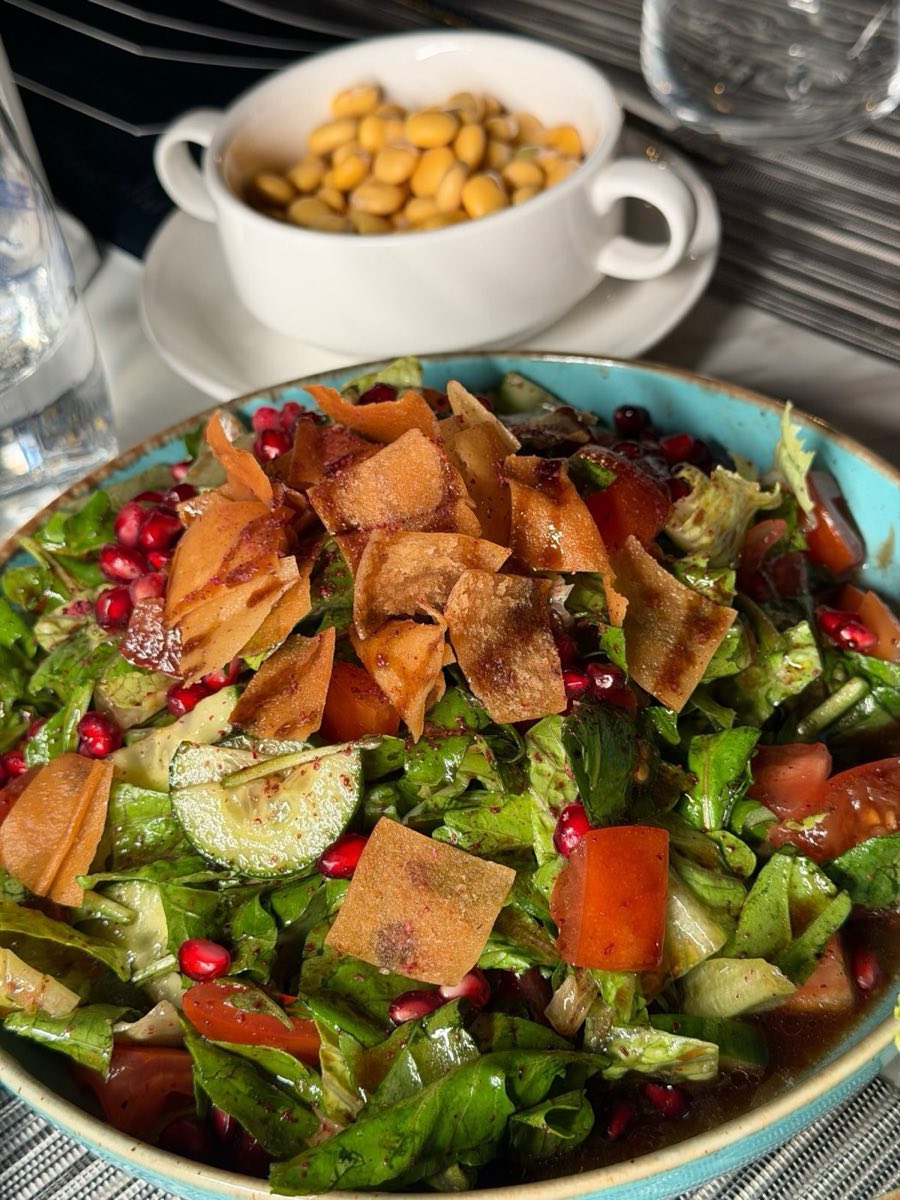
- Faten's Idlibi Fattoush2 tsp Sumac
- Fattoush2 teaspoons ground sumac
- Fried Cauliflower with Tahini½ teaspoon, for garnish sumac
- Jawaneh Djaj1 teaspoon sumac
- Sidon-Style Chicken Wings with Sumac and Pomegranate2 tbsp ground sumac
- Salatet Avocat½ teaspoon sumac
17 Sofra recipes use it in all — browse the collection.
How to buy and store it
Buy it from a grocer with turnover rather than from a supermarket spice rack, and judge it by colour and feel: deep crimson-purple, faintly moist, clumping slightly. Brown, dusty sumac is old.
Keep it in a sealed jar in a dark cupboard. It holds its acid for roughly a year, then fades rather than spoils — you will taste the loss before anything goes wrong with it. Middle Eastern grocers commonly sell it loose by weight, which is both cheaper and fresher.
If you cannot find it
- Lemon zest with a pinch of salt goodBright and acidic, but without the berry depth or the tannic finish.
- A very small amount of tamarind acceptableSourer and stickier. Use sparingly and expect a different character.
Frequently asked questions
What is sumac?
Sumac is the dried, ground berry of the sumac shrub, sold as a coarse crimson powder. It is the everyday souring agent of Levantine cooking, used where other kitchens use lemon or vinegar.
What does sumac taste like?
Tart and fruity, closer to tart apple skin than to vinegar, with a mild astringent finish. It has no heat and no aroma of its own, so it sours a dish without changing anything else about it.
What can I use instead of sumac?
Lemon zest with a little salt is the closest workable substitute for the acidity. It will not give you sumac's colour, its dusted texture on the surface of a dish, or its tannic finish.
How can I tell if sumac is still good?
Judge it by colour and feel. Fresh sumac is deep crimson-purple, faintly moist and slightly clumping. Pale, brown, dry, free-flowing sumac has lost its acid and will taste of very little.
Does sumac contain salt?
Pure sumac does not, but some brands are cut with salt to bulk them out. Check the ingredient list before seasoning by eye, particularly in a dressing that is already salted.
What dishes use sumac?
Fattoush is the best known — sumac is both in the dressing and scattered over the top. It is also part of za'atar blends, dusted over labneh, and rubbed into chicken before grilling.